
Holden Hill, SA & schools :
Nurturing growth through therapeutic play and connection.
- NDIS, private and DCP funded · Mon–Thu, 9am–6pm


What is play therapy:
How play therapy your child supports your child
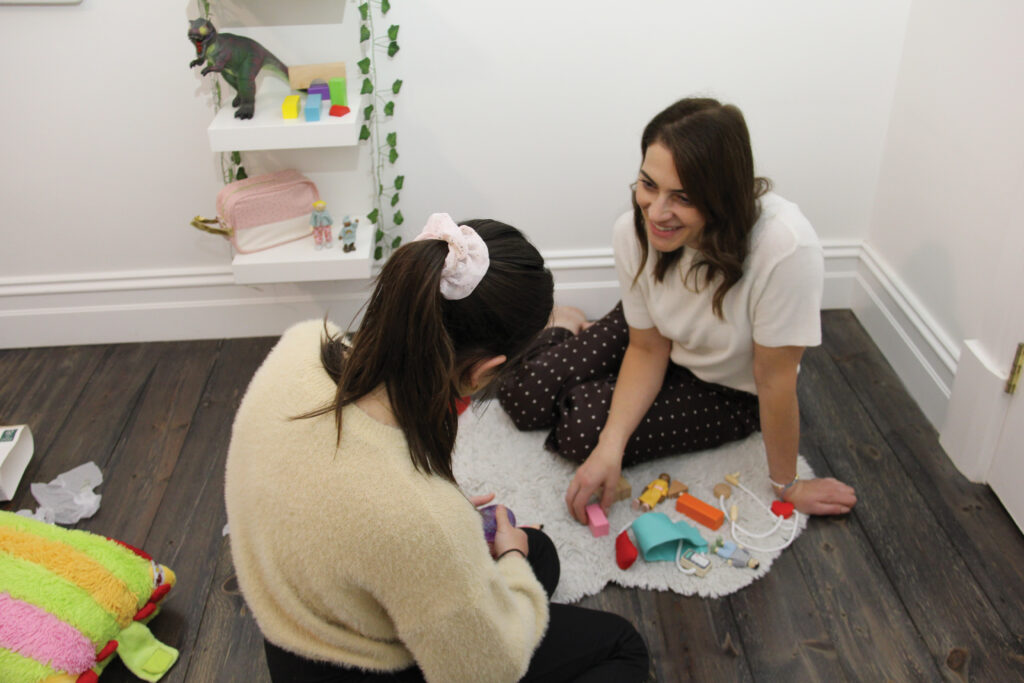
Child-Centred Play Therapy (CCPT) recognises the healing power of play, allowing children to symbolically and creatively explore their real-life and inner experiences in a safe, nurturing environment.
- Builds insight and self-understanding
- Develops emotional regulation
- Practises and masters new coping skills
- tronger outcomes when caregivers are involve
What is play therapy
A child-led collaborative process
Play is a child’s natural language for learning, communicating, and expressing their thoughts and feelings. While adults may benefit from talking through difficulties, children’s developing cognitive and verbal skills can make traditional talk-based approaches challenging.
Child-Centred Play Therapy (CCPT) recognises the healing power of play, allowing children to symbolically and creatively explore their real-life and inner experiences in a safe, nurturing environment.
Who it helps :
Support for a wide range of challenges
Diagnoses play therapy has proven to support
-
ADHD & AuDHD
-
Global Development Delay
-
Cerebral Palsy
-
Down Syndrome
-
PTSD
Diagnoses play therapy has proven to support
-
Low self-esteem & confidence
-
Social skills
-
School refusal / disengagement
-
Meltdowns & shutdowns
-
Trauma / adverse experiences
-
Separation & attachment
-
Adoption & fostering
-
Divorce & separation
-
Anxiety & depression
-
Grief & loss
-
Angry / aggressive behaviours
-
Chronic illness
-
Sexual or physical abuse
-
Gender variance
-
PDA profile
Who it helps :
What your child can gain
Emotional expression
A safe and accepting space where children can express feelings they may not yet have words for.
Self-awareness & insight
Helps children understand their thoughts, feelings, and behaviours; navigate challenges and resolve conflicts.
Emotional regulation
Supports healthier coping strategies, reducing frequency and intensity of big behaviours.
Problem-solving
Encourages creativity, flexible thinking, and social problem-solving through play.
Self-esteem & empowerment
Builds resilience, self-worth, and confidence through a trusting therapeutic relationship.
Healthy relationships
Supports children to develop trust, and strengthen family and peer connections.
Meet your therapist :
Dora
I’m Dora, a Child-Centred Play Therapist with a Psychology background. My approach is trauma-informed, neuro-affirming, and centred on creating safe, trusting relationships where children feel seen, understood, and supported.
My practice is child-centred, attachment-informed, trauma-informed, strengths-based, and tailored to each child’s developmental needs. For over 12 years I have worked alongside children, families, and school communities, including inclusive education and special education settings — supporting wellbeing, learning, social skills groups, playgroups, and positive behaviour.
I work with children aged 2 to 12, in clinic and at schools, alongside their families.Play is a child’s natural language for learning, communicating, and expressing their thoughts and feelings. While adults may benefit from talking through difficulties, children’s developing cognitive and verbal skills can make traditional talk-based approaches challenging.
Child-Centred Play Therapy (CCPT) recognises the healing power of play, allowing children to symbolically and creatively explore their real-life and inner experiences in a safe, nurturing environment.
- Psychology background
- Trauma-informed, neuro-affirming

Services & fees :
What to expect
1.5 hours
- An online or in-person meeting without the child present, to understand your child's strengths, challenges, and goals.
1.5 hours
- An online or in-person meeting without the child present, to understand your child's strengths, challenges, and goals.
1.5 hours
- An online or in-person meeting without the child present, to understand your child's strengths, challenges, and goals.
Ending therapy
Reports
Diagnoses play therapy has proven to support
-
Private payment
-
Self-managed NDIS
-
Plan-managed NDIS
-
Department of Child Protection
-
Schools (where applicable)

Joseph L.Mabie
Influencer
FAQs
Frequently asked questions
Play Therapy is a therapeutic approach that uses play as a child's natural form of communication. Children often express thoughts, feelings, experiences, and relationships through play before they can explain them with words. A Play Therapist provides a safe, supportive environment where children can explore emotions, develop understanding, and practise new ways of responding to challenges.
Play therapy is generally designed for children from 2 to 12 years, although suitability depends on each child's developmental stage, needs, and circumstances. A parent consultation is the best way to discuss whether Play Therapy may be appropriate for your child.
Families may seek play therapy support for children experiencing low self-esteem, social skill challenges, school refusal, meltdowns, trauma, attachment difficulties, anxiety, grief, aggressive behaviours, and many other emotional, behavioural, and developmental challenges. Every child's situation is unique, and therapy is tailored to the individual child.
The first step is usually a parent or caregiver consultation. This provides an opportunity to discuss your concerns, your child's background, and what you hope to achieve through therapy. Together, we can consider whether Play Therapy is a suitable support option and discuss next steps.
Parents/carers do not participate in Play Therapy sessions, as this special one-to-one time allows your child to build a trusting relationship with the therapist and have a safe, supportive space to express themselves. Parents remain an important part of the process through regular consultation and communication.
The length of therapy varies depending on the child's needs, goals, circumstances, and progress. Some children benefit from short-term support, while others require longer-term therapy. Progress is discussed after every 5 sessions with parents or caregivers.
Yes. Supporting children within their family context is an important part of therapy. Consent, communication, and information-sharing arrangements will be discussed during the intake process.
Yes, with appropriate consent, reports or professional communication will be discussed before proceeding.
A parent consultation is the best place to explore your concerns and ask questions. Contact Play Therapy with Dora at ptwithdora@gmail.com to discuss your child's needs and whether play therapy may be suitable.